Hello ,I am working on a thesis project in Rhino 7 + Grasshopper + Ladybug Tools 1.x, and I am comparing different facade scenarios for an office-commercial building.
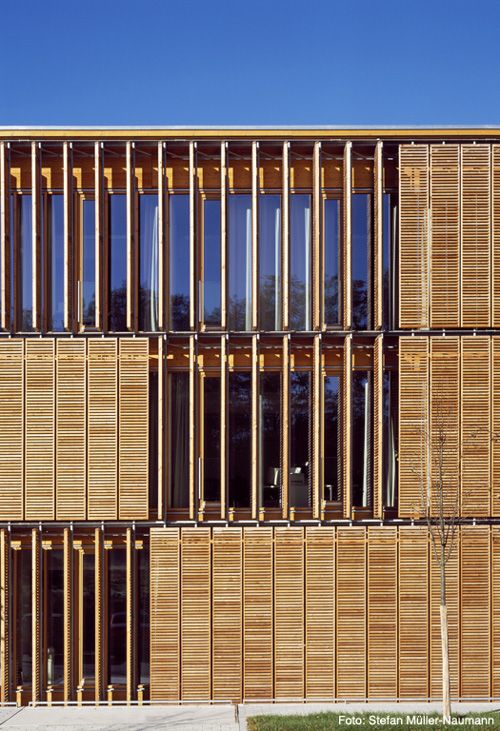
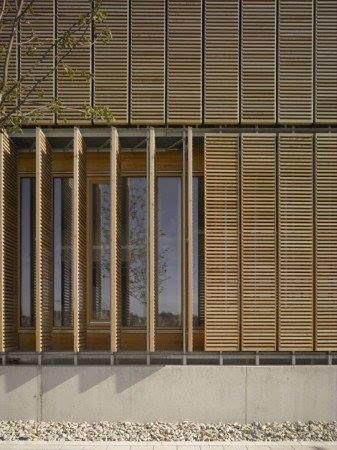
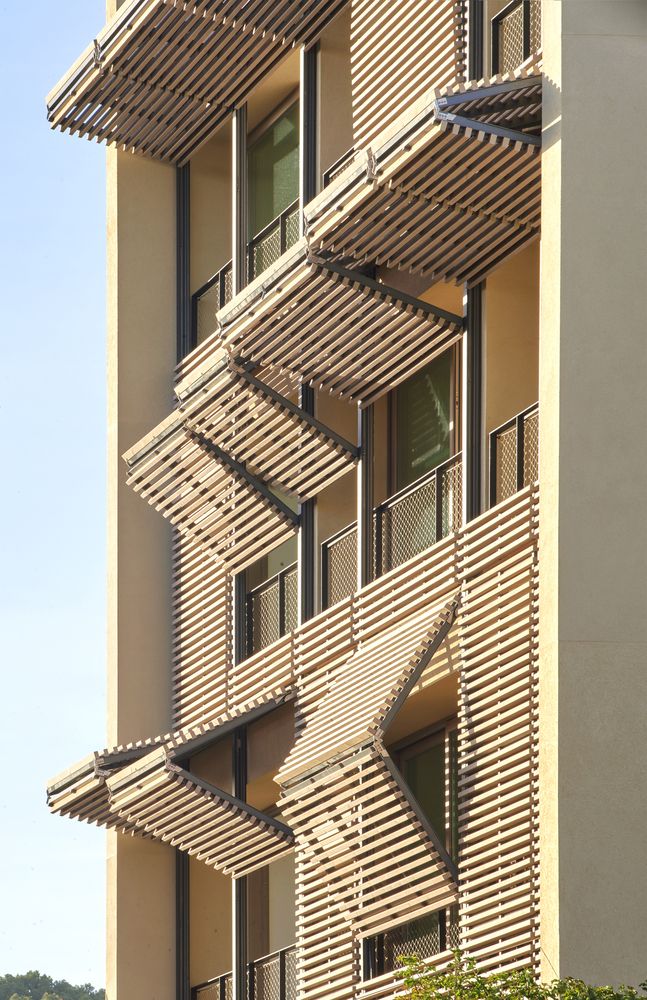
One of the scenarios is a double-layer facade where the second outer layer is not glass. Instead, I want the outer layer to be a parametric louvered shading system (horizontal and vertical louvers) placed at a fixed offset from the main facade.
My goal is to model this outer louver layer as a second skin and run Honeybee/EnergyPlus simulations so that changes in louver depth, spacing, angle, orientation, and facade offset can be tested parametrically.
I tried using HB Louver Shades, but it seems to add louvers to existing apertures/windows rather than replacing the outer glass layer. As a result, the thermal model still includes the glass surface, and the results do not represent a true louver-only second skin facade.
Could you please advise on the best workflow in Honeybee for this case? Specifically:
-
Should the louvered second skin be modeled as HB Shade geometry, HB Shade from Geometry, or another Honeybee object?
-
How can I keep the louver system fully parametric for depth, spacing, angle, orientation, and facade offset?
-
Is it valid in Honeybee/EnergyPlus to treat this louvered outer layer as an external shading system located in front of the main facade, rather than as a glazed second facade?
-
If the cavity between the main facade and the louvered layer should be represented, what is the recommended modeling approach?
Thank you for your guidance.
Best regards,.