Hello.
I’ve been doing a bit of research on similar posts, but I haven’t found anything similar. It’s about linking thermal bridges with EnergyPlus.
There is a software for regulation compliance in Spain that uses EnergyPlus, and since those regulations mandate the study of thermal bridges, this software takes them into account, the following way.
It takes takes the envelope edges, similar to HB Envelope Edges, and it creates a surface underground, the length being the same as the edge’s. The height is the witdth of the wall, because the IDF they generate is like this.
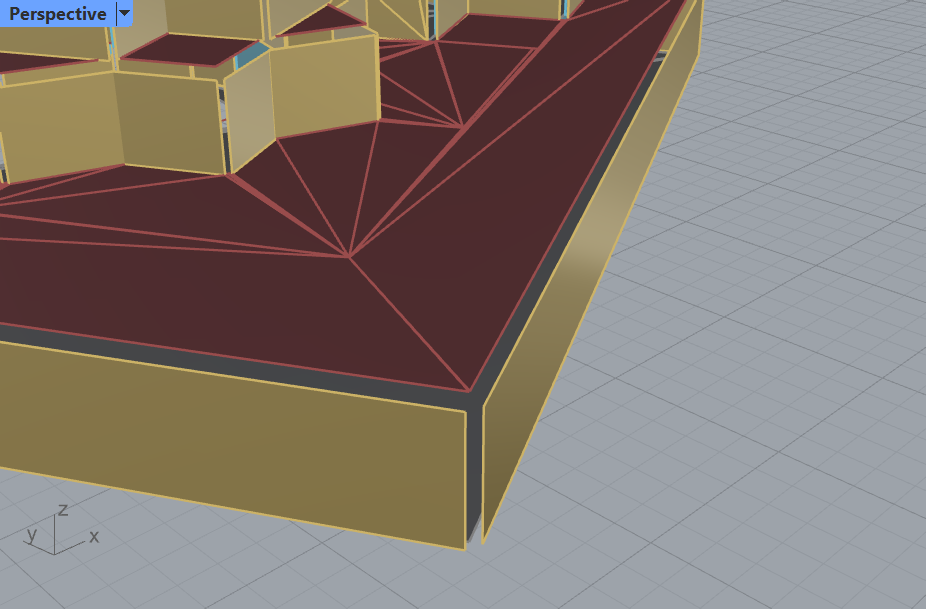
so it doesn’t create redundancies
Then it assigns it a material with the value of the thermal bridge. This could come from FairyFly.
The face it creates has this structure:
BuildingSurface:Detailed,
  Z01_S01_TB32 EF, ! Name
  Wall,            ! Surface Type
  C11_TBW_2278_55U_, ! Construction Name
  Z01_Habitable,   ! Zone Name
  ,                ! Space Name (*)
  Outdoors,        ! Outside Boundary Condition
  ,                ! Outside Boundary Condition Object
  NoSun,           ! Sun Exposure
  NoWind,          ! Wind Exposure
  0.5,             ! View Factor to Ground to Ground
  4,
  0, 0, -12.05,
  0, 0, -12.35,
  22.3 0, -12.35,
  22.3, 0, -12.05;
Construction,
  C11_TBW_2278_55U_, ! Name
  M20_TBW_2278_55U_ (0.6); ! Outside Layer
Material:NoMass,
  M20_TBW_2278_55U_ (0.6), ! Name
  Rough,           ! Roughness (*)
  2.13253,         ! Thermal Resistance {m2-K/W}
  0.65,            ! Thermal Absorptance (*)
  0.6,             ! Solar Absorptance
  0.65;            ! Visible Absorptance (*)`
And it looks like this, geometrically.
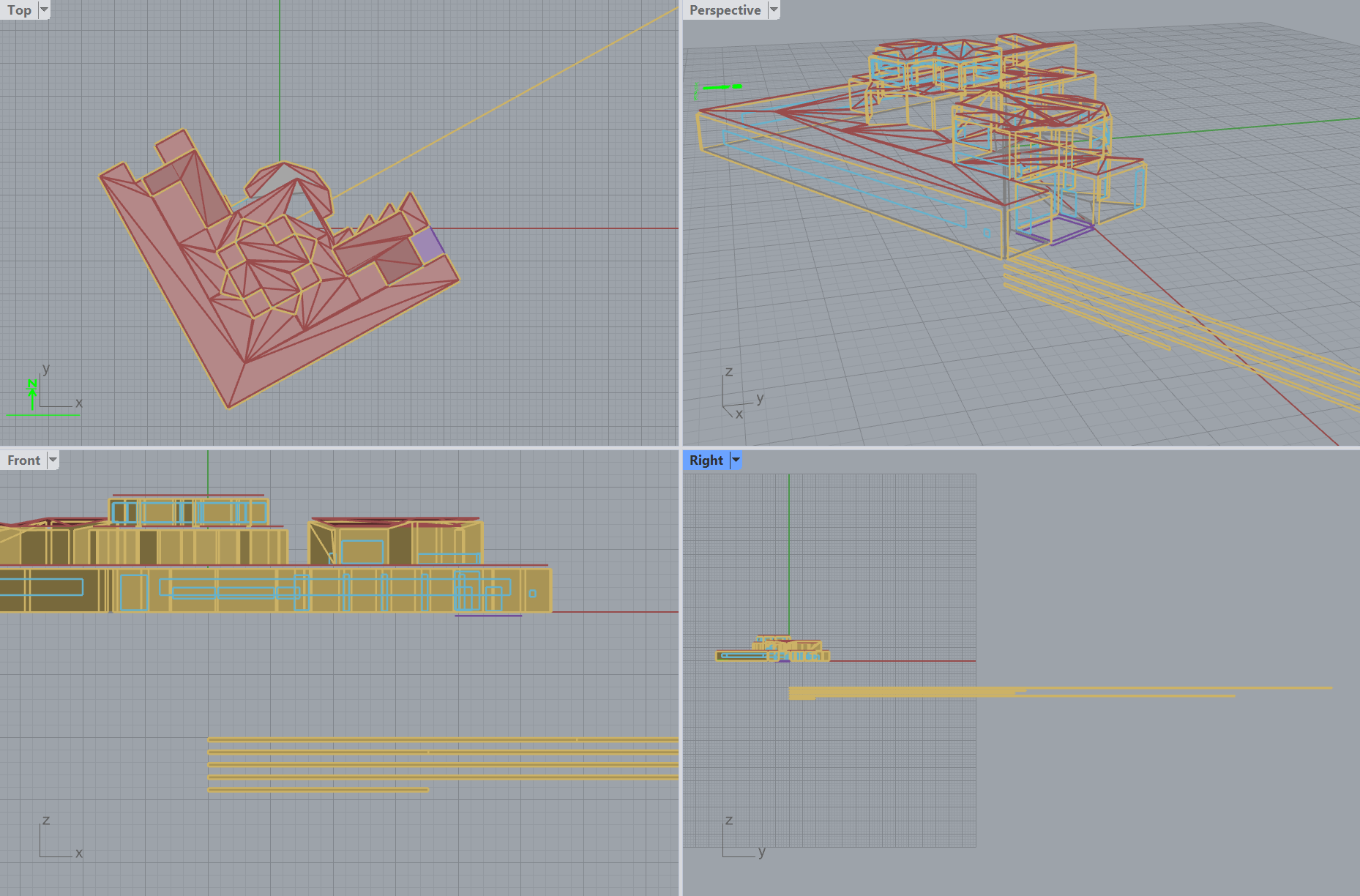
Therefore, with the name it assigns to it, you can easily quanify the effects of that bridge.
What are the current ideas regarding this subject?